
Telehealth in 2026: How Virtual Care Is Transforming Access, Quality, and Cost
Telehealth has moved far beyond the video visit boom of the pandemic. In 2026, virtual care is becoming a core component of the U.S. healthcare system — improving access, reducing administrative burden, and lowering costs for employers and employees alike. New technologies, expanded reimbursement, and AI driven tools are reshaping how care is delivered across specialties.
AI Is Turning Telehealth Into Proactive Care
Family building benefits continue to surge in importance. SHRM’s 2025 survey highlights a growing employer focus on expanding fertility, adoption, and surrogacy benefits as part of a broader commitment to inclusive family support. Employees increasingly expect these benefits as table stakes, not luxuries.
Telehealth is shifting from reactive “on demand visits” to proactive, continuous care thanks to artificial intelligence. According to TelehealthWatch, AI will function as healthcare’s “central nervous system” by 2026, predicting health problems before symptoms appear and guiding clinicians with real time decision support.
Wearables Are Becoming Medical Grade Diagnostic Tools
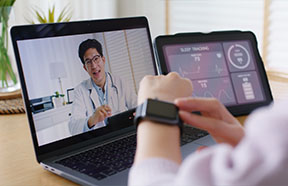
Wearables are no longer simple fitness trackers. By 2026, they are evolving into medical grade diagnostic devices capable of capturing heart rhythms, blood oxygen levels, sleep patterns, and early signs of chronic disease. TelehealthWatch reports that these devices now integrate with AI powered analytics to detect abnormalities and alert clinicians before conditions escalate.
This shift supports earlier intervention, fewer emergency visits, and better chronic disease management — a major cost driver for employer plans.
Remote Diagnostics and Virtual Monitoring Reduce High Cost Care
Remote diagnostics are one of the fastest growing areas of telehealth. New tools allow clinicians to conduct virtual physical exams using connected stethoscopes, otoscopes, and high resolution imaging. These capabilities reduce unnecessary in person visits and help triage patients more effectively.
CMS’s 2026 telehealth rule expands reimbursement for Remote Patient Monitoring (RPM) and Chronic Care Management (CCM), restoring momentum to value based care models. With higher payments and new CPT coding flexibility, providers are more willing to adopt remote monitoring — which has been shown to reduce hospitalizations and improve outcomes for chronic conditions like diabetes and hypertension.
Telehealth Is Now a Permanent Part of Care Delivery
Telehealth is no longer an emergency measure. Policy updates confirm that virtual care is now a permanent fixture in healthcare delivery. U.S. Healthcare News notes that telehealth has transitioned into a long term care model, with states and payers expanding coverage and refining cross state licensure rules.
For employers, this means:
- More predictable plan design
- Broader access to behavioral health providers
- Lower costs for routine and follow up care
- Improved access for rural and underserved employees
The National Benefits Survey notes that employers see financial wellness as a high ROI benefit that improves retention and reduces stress related productivity loss.
Market Growth Signals Long Term Stability
The global telehealth market is projected to grow from $160.13 billion in 2025 to $709.69 billion by 2034, according to TelehealthWatch’s 2026 predictions. This explosive growth reflects rapid adoption across primary care, behavioral health, chronic disease management, and specialty care.
Telehealth in 2026 is smarter, more integrated, and more cost effective than ever. AI powered diagnostics, medical grade wearables, remote monitoring, and expanded reimbursement are transforming virtual care into a high value component of employer health plans. For organizations looking to improve access, reduce costs, and support a distributed workforce, telehealth is no longer optional — it’s essential.
This Just In ... IRS Issues New Guidance on GLP 1 Coverage for Employer Health Plans
2026 Compliance Update: More on Last Month’s Key Regulatory Changes
How Employers Are Responding to Rising Employee Expectations in 2026
Telehealth in 2026: How Virtual Care Is Transforming Access, Quality, and Cost
What the Latest Surveys Reveal About Employee Expectations
The information presented and conclusions within are based upon our best judgment and analysis. It is not guaranteed information and does not necessarily reflect all available data. Web addresses are current at time of publication but subject to change. SmartsPro Marketing and The Insurance 411 do not engage in the solicitation, sale or management of securities or investments, nor does it make any recommendations on securities or investments. This material may not be quoted or reproduced in any form without publisher's permission. All rights reserved. ©2026 Smarts Publishing https://smartspublishing.com/ Tel. 877-762-7877.